
Ever felt that heart-stopping lurch when your trailer suddenly pushes your truck forward? Or maybe you’ve worried about stopping safely on a steep hill with a heavy load behind you? Towing can be a fantastic way to explore, but it also comes with big responsibilities. One of the most crucial, and often confusing, pieces of equipment for safe towing is a trailer brake controller.
Choosing the right one can feel like navigating a maze. There are so many different types, brands, and features, it’s easy to get overwhelmed. You want to make sure you pick a controller that works well with your trailer and your truck, and that it will keep you and others on the road safe. Getting it wrong can lead to a jerky ride, uneven braking, or worse, a dangerous situation.
But don’t worry! This guide is here to make things clear. By the time you finish reading, you’ll understand the different kinds of trailer brake controllers, what makes them work, and how to pick the best one for your specific needs. We’ll break down the jargon and highlight the features that truly matter, so you can tow with confidence.
Our Top 5 Trailer Brake Controllers Recommendations at a Glance
Top 5 Trailer Brake Controllers Detailed Reviews
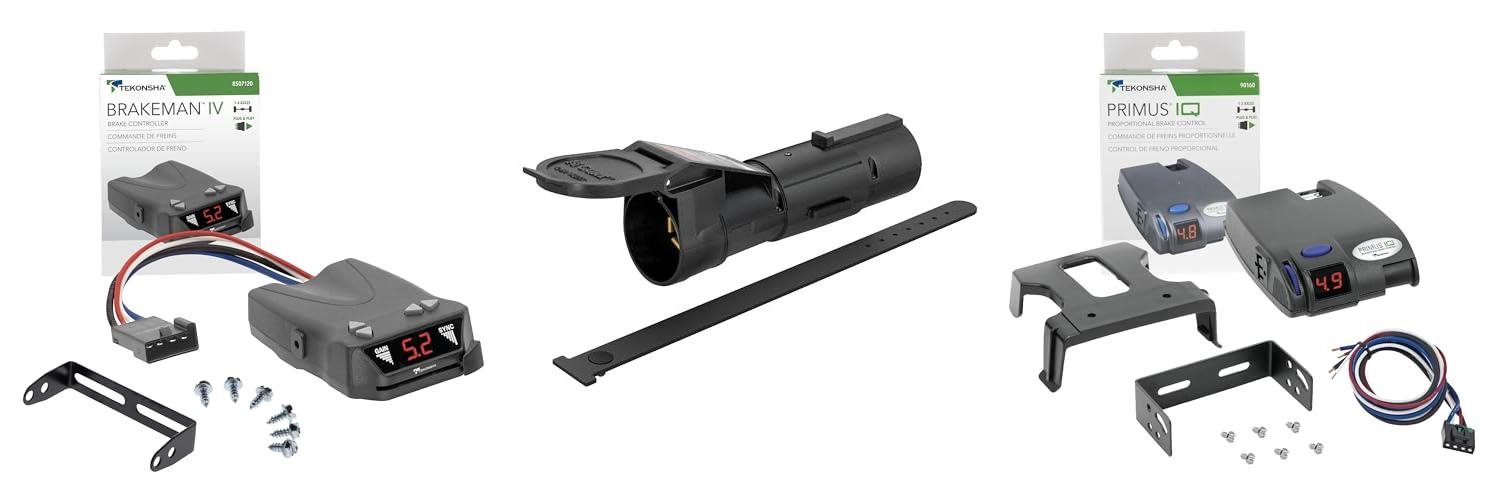
1. Tekonsha 8507120 Brakeman IV

Rating: 9.0/10
The Tekonsha 8507120 Brakeman IV is a time-delay brake controller designed for trailers with one to four axles. It works with many popular vehicle brands like Ford, GM, Chevy, Dodge, RAM, Toyota, and Jeep. This controller is great for drivers who need a simple and reliable way to control their trailer brakes.
What We Like:
- Time-Delayed Braking: The brakes gently increase in power, making towing smoother, especially for lighter loads.
- Easy Installation: It has a plug-and-play port, so setting it up is quick and simple. You can mount it almost anywhere under the dash.
- Clear Display: The digital screen shows your settings and important information, like when the trailer brakes are getting more power (red light) or if the connection is secure (green light).
- Manual Control: You can easily apply the trailer brakes yourself by moving the lever.
- Wide Vehicle Compatibility: It works with many different trucks and SUVs.
What Could Be Improved:
- Basic Functionality: It’s a time-based controller, which is best for lighter towing needs. More advanced towing might require a different type of controller.
- Wiring Harness Not Included: You’ll need to buy the vehicle-specific wiring harness separately, which is an extra step and cost.
Overall, the Tekonsha Brakeman IV is a user-friendly brake controller that offers essential features for safe and easy trailer towing. It’s a solid choice for basic towing needs.
2. CURT 51180 Echo Mobile Electric Trailer Brake Controller with Bluetooth® Enabled Smartphone Connection

Rating: 8.8/10
The CURT 51180 Echo Mobile Electric Trailer Brake Controller is a game-changer for anyone who tows. It uses your smartphone to control your trailer brakes, making towing safer and easier. You don’t need any special tools to install it, and you can move it from one vehicle to another in seconds.
What We Like:
- It’s super portable and easy to move between cars.
- Installation is a breeze – just plug it in. No wires or tools needed!
- Your smartphone becomes the brake controller interface, which is pretty cool.
- It works with most trailers, even those with 1 or 2 axles.
- Braking is smooth and responsive thanks to its smart technology.
- It plays nicely with your vehicle’s cruise control and anti-lock brakes.
What Could Be Improved:
- You have to remember to keep your phone charged.
- The app requires you to avoid distracted driving, so you can only make adjustments when stopped.
- The strap to secure it is stored inside the cap, which might be easy to overlook.
This brake controller is a smart and simple way to upgrade your towing experience. It offers great flexibility and advanced features without the hassle of traditional installations.
3. Tekonsha 90160 Primus IQ

Rating: 9.4/10
The Tekonsha 90160 Primus IQ is a proportional brake controller that makes towing much safer and smoother. It works by sensing how hard you press your truck’s brakes and applies your trailer’s brakes with the same force. This means your trailer stops gently, not suddenly. It’s great for everyday driving and even for emergencies when you need to stop fast. This controller works with many trucks like Ford, GM, Chevy, Dodge, RAM, Toyota, and Jeep, for trailers with 1 to 3 axles. Just remember, you’ll need to buy the wiring harness separately.
What We Like:
- It offers smooth and automatic braking that matches your truck’s braking.
- The internal sensor makes braking feel natural and controlled.
- Installation is a breeze with its snap-in clip and plug-and-play design.
- You can easily unplug and store it when not in use.
- The clear LED display shows you all the important information, like settings and any alerts.
- The Boost feature gives you extra stopping power when you need it, like when carrying heavy loads.
- It works with a wide variety of popular vehicle brands.
What Could Be Improved:
- The wiring harness is sold separately, which is an extra purchase to consider.
The Tekonsha Primus IQ is a smart choice for anyone who wants better control and safety when towing. It’s user-friendly and performs reliably, giving you peace of mind on the road.
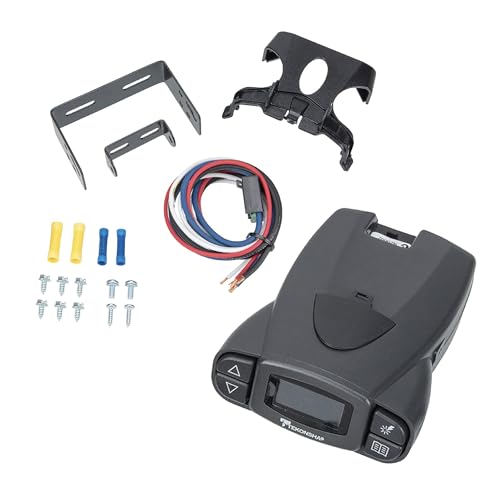
4. Tekonsha 90195 Prodigy P3 Proportional Brake Controller for Trailers with 1-4 Axles
Rating: 9.2/10
The Tekonsha 90195 Prodigy P3 Proportional Brake Controller is a smart choice for anyone who regularly tows trailers. It works with many different trucks and SUVs, making it super versatile. This controller helps your trailer brakes work smoothly and safely.
What We Like:
- It works with lots of vehicles like Ford, GM, Chevy, Dodge, RAM, Toyota, and Jeep.
- It has a smart sensor that makes your trailer brakes react like your truck’s brakes.
- The easy-to-read color screen shows you everything you need to know.
- You can save up to five different settings for different trailers or drivers.
- The Boost feature gives you extra stopping power when you need it most.
- You can also use the manual lever to apply the trailer brakes yourself.
What Could Be Improved:
- You have to buy the wiring harness separately, which is an extra step and cost.
The Prodigy P3 offers great control and peace of mind when towing. It’s a solid upgrade for your towing setup.
5. TEKONSHA 8508220 Brake-EVN Proportional Brake Controller for Trailers with 1-4 Axles

Rating: 9.1/10
Upgrade your towing experience with the TEKONSHA 8508220 Brake-EVN Proportional Brake Controller. This smart device helps your trailer brakes work smoothly with your tow vehicle. It’s designed for trailers with up to four axles and works with many popular car brands like Ford, GM, Chevy, Dodge, RAM, and Toyota. You get controlled braking for a safer and more comfortable ride.
What We Like:
- Broad Compatibility: Works with a wide variety of vehicles, making it a versatile choice for many truck owners.
- Smooth Braking: The proportional braking system uses a sensor to match your truck’s braking, providing a natural feel.
- Simple Setup: Its plug-and-play design means you can connect it easily, and it has a removable connector for convenience.
- Clear Information: The bright LED display shows you important settings and any alerts, so you’re always informed.
- Manual Control: You can easily apply the trailer brakes manually with a simple lever if needed.
What Could Be Improved:
- Wiring Harness Not Included: You will need to buy the specific Tekonsha Plug & Play brake controller wiring harness separately, which is an extra cost and step.
The TEKONSHA BRAKE-EVN offers smart, responsive trailer braking. Just remember to get the correct wiring harness for installation.
Choosing the Right Trailer Brake Controller: A Comprehensive Guide
Towing a trailer can be a great way to haul gear, move furniture, or enjoy a camping trip. But for safe and smooth towing, you need a trailer brake controller. This device tells your trailer’s brakes when to engage and how hard. Let’s break down what you need to know to pick the best one for your needs.
Why You Need a Trailer Brake Controller
When you brake your tow vehicle, the trailer follows. Without a brake controller, the trailer’s brakes won’t work. This means your tow vehicle does all the stopping. This can be dangerous, especially with heavier trailers. A brake controller makes towing much safer and more controlled.
Key Features to Look For
When shopping for a trailer brake controller, keep these important features in mind:
- Type of Controller: There are two main types:
- Time-Delayed (or Voltage-Controlled): These are simpler and usually cheaper. They apply a percentage of trailer brake power based on how long you’ve pressed your tow vehicle’s brake pedal. They work well for lighter trailers and gentle braking.
- Proportional (or Inertia-Activated): These are more advanced. They use sensors to detect how quickly your tow vehicle is slowing down. They then apply the trailer brakes with the same force. This provides smoother, more responsive braking, especially for heavier trailers and in emergency situations.
- Adjustable Power Output: You should be able to control how much braking power the trailer receives. This allows you to fine-tune the braking for different trailer weights and road conditions.
- Manual Override: This feature lets you manually apply the trailer brakes with a slider or button. This is crucial for maintaining control if the trailer starts to sway or in emergencies.
- Digital Display: A clear display shows you the current braking power level. Some models also show error codes.
- Mounting Options: Consider where you want to mount the controller. Some are designed for dashboard mounting, while others can be mounted more discreetly.
- Compatibility: Make sure the controller works with your trailer’s braking system (usually 12V electric brakes) and your tow vehicle’s electrical system.
Important Materials and Build Quality
Most trailer brake controllers use durable plastics for their housing. The internal components are electronic. High-quality units use robust wiring and connectors to ensure a reliable connection. Look for controllers from reputable brands known for their durability and performance. A well-built controller will last longer and perform better.
Factors That Improve or Reduce Quality
- Proportional vs. Time-Delayed: As mentioned, proportional controllers generally offer superior braking performance and thus are considered higher quality for most towing needs.
- Sensor Accuracy: For proportional controllers, the accuracy of the inertia sensor is key. A sensitive and accurate sensor will provide more responsive braking.
- Ease of Adjustment: A controller that’s easy to adjust on the fly gives you better control and improves the overall towing experience.
- Durability: A controller that’s built to withstand vibrations and varying temperatures will perform reliably over time. Cheaply made units can fail prematurely.
- Installation Complexity: While not a direct quality measure of the product itself, a difficult installation can be a frustrating experience and reduce the perceived quality for the user.
User Experience and Use Cases
The user experience with a trailer brake controller is all about safety and confidence.
- Everyday Towing: For frequent towers, a proportional controller makes everyday driving feel more natural. You won’t feel a jarring stop when you brake.
- Heavy Loads: If you tow heavy trailers like large campers, toy haulers, or car trailers, a proportional controller is essential. It distributes the braking force effectively.
- Varied Terrain: Whether you’re going up hills, down steep descents, or driving on wet roads, a good brake controller helps you maintain control.
- Emergency Situations: The manual override is a lifesaver in emergencies, allowing you to stop the trailer independently if needed.
A good trailer brake controller makes towing feel less like work and more like an extension of your vehicle. It’s an investment in safety and peace of mind.
Frequently Asked Questions (FAQ) about Trailer Brake Controllers
Q: What is the main difference between a time-delayed and a proportional brake controller?
A: A time-delayed controller applies trailer brakes gradually over time after you press your tow vehicle’s brakes. A proportional controller senses how hard you’re braking and applies the trailer brakes with the same force for smoother stops.
Q: Do I need a brake controller for a small trailer?
A: It depends on the trailer’s weight. Most states require brake controllers for trailers over a certain weight limit, often around 1,500-3,000 pounds. Always check your local laws.
Q: How do I know if my trailer has electric brakes?
A: Most trailers with electric brakes have a seven-way trailer plug. You can also look for brake assemblies on the trailer’s axles, which contain the brake magnets or calipers.
Q: Can I install a brake controller myself?
A: Yes, many DIYers install their own brake controllers. However, it requires some basic automotive electrical knowledge. If you’re not comfortable, a professional installation is recommended.
Q: What does the manual override button do?
A: The manual override lets you manually activate the trailer brakes with a lever or button. This is useful for slowing down the trailer independently or in emergencies.
Q: How do I adjust the braking power?
A: Most controllers have a dial or buttons to increase or decrease the braking power. You typically adjust this while driving to find the right balance.
Q: What is “trailer sway” and how does a brake controller help?
A: Trailer sway is when the trailer starts to move side-to-side uncontrollably. The manual override feature on a brake controller can help by applying the trailer brakes to stabilize it.
Q: Are all brake controllers compatible with all trailers?
A: Most are compatible with standard 12V electric brakes. However, always check the controller’s specifications and your trailer’s braking system type to ensure compatibility.
Q: How much does a good trailer brake controller cost?
A: Basic time-delayed controllers can range from $50 to $100. Proportional controllers are generally more expensive, costing between $100 and $300 or more, depending on features.
Q: Where is the best place to mount a brake controller?
A: The ideal location is within easy reach of the driver’s hand, usually on the dashboard or lower console, so you can access the manual override quickly.
In conclusion, every product has unique features and benefits. We hope this review helps you decide if it meets your needs. An informed choice ensures the best experience.
If you have any questions or feedback, please share them in the comments. Your input helps everyone. Thank you for reading.