
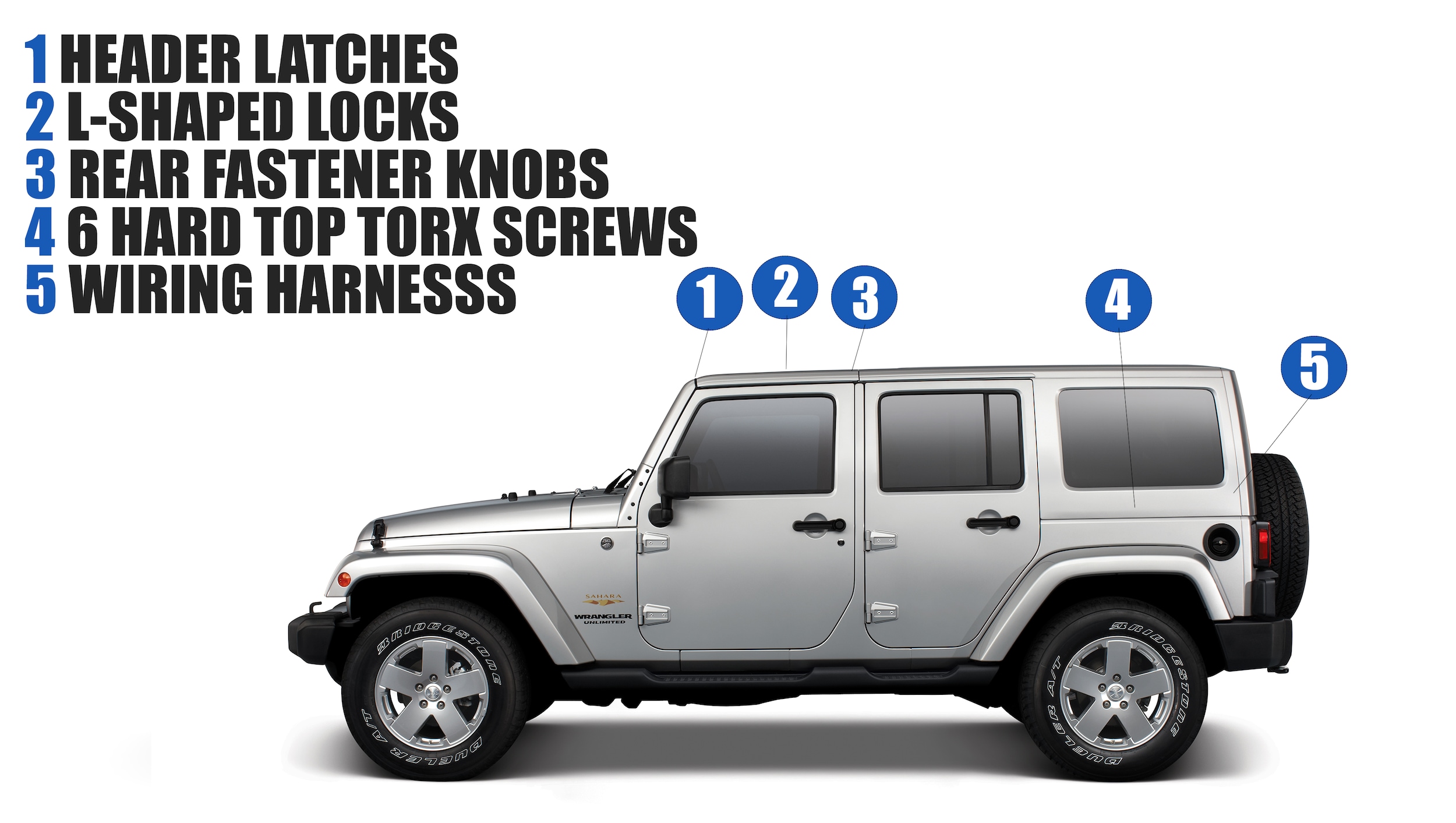
Image Source: pictures.dealer.com
How To Take Top Off Of Jeep Wrangler: Step By Step
Can you take the top off a Jeep Wrangler? Yes, absolutely! Taking the top off your Jeep Wrangler is a quintessential part of the Wrangler experience, offering unparalleled open-air freedom. This guide will walk you through the process for both soft tops and hardtops, ensuring you can confidently transform your Jeep into a true convertible. We’ll cover everything from the initial steps to reassembly and even touch on important Jeep Wrangler soft top maintenance.
Embracing the Open-Air Experience
There’s something magical about driving a Jeep Wrangler with the top off. The wind in your hair, the sun on your skin, and the feeling of being truly connected to the road and your surroundings – it’s an adventure in itself. Whether you’re cruising down a scenic byway or tackling a dusty trail, a Jeep Wrangler with the top down is the ultimate expression of freedom. This guide is designed to make the process of removing and reinstalling your Jeep Wrangler roof as straightforward as possible, allowing you to enjoy this iconic feature more often.
Fathoming Your Wrangler’s Roof Style
Before you begin, it’s crucial to identify the type of top your Jeep Wrangler is equipped with. Wranglers have offered a variety of roof options over the years, each with its own removal process. The most common are the traditional soft top and the more robust hardtop.
Types of Wrangler Tops
- Soft Top: This is the classic Jeep top, made of fabric. It’s generally easier to remove and store, offering a more traditional convertible feel. Many soft tops feature a “Sunrider” function, allowing you to easily fold back just the front section for a more open experience without full top removal.
- Hardtop: Constructed from fiberglass or composite materials, the hardtop offers better insulation and security. Removing a hardtop is typically a more involved process, often requiring more than one person and careful handling of heavier panels.
- Sky Top: Some newer models feature a “Sky Top” or power-retractable soft top, which operates with the push of a button. While offering great convenience, the removal process for these is often automated or requires specific electronic sequences.
Identifying Your Top
- Soft Top: You’ll notice the fabric construction, often with visible zippers and fabric panels. The frame is usually made of metal or a durable composite.
- Hardtop: This will feel rigid and solid. It’s typically made of a single molded piece or multiple sections that bolt or latch into place.
Removing Your Jeep Wrangler Soft Top: A Step-by-Step Guide
Taking off a Jeep Wrangler soft top is an excellent way to enjoy pleasant weather. It’s a process that becomes quicker with practice. Here’s how to do it:
Preparation is Key
- Park on a Level Surface: Ensure your Jeep is parked on a stable, level surface. This prevents the vehicle from rolling and makes the process easier.
- Open All Doors: Opening the doors gives you better access to latches and straps.
- Gather Your Tools: For most soft tops, you won’t need many tools. A basic socket set or even just your hands might be all that’s required, depending on the specific model year and top manufacturer.
- Consider the Weather: It’s best to remove the soft top when the fabric is warm, as cold weather can make the material stiff and harder to fold. If it’s a bit chilly, you can run the defroster for a few minutes to warm up the top.
The Removal Process: From Top to Bottom
Step 1: Unclip and Unlatch Front Canopy
- Locate Front Latches: On most Wranglers, you’ll find latches above the windshield on the driver and passenger sides. These secure the front edge of the soft top to the windshield frame.
- Release the Latches: Flip these latches upwards to disengage them. Some models may have additional clips or Velcro straps that need to be released here.
Step 2: Open the Sunrider Feature (If Applicable)
- Identify the Sunrider: Many soft tops have a “Sunrider” feature, which allows you to fold back just the front section over the front seats.
- Fold Back the Top: If you have this feature, you can usually lift the front edge of the fabric and push it backward, where it will often be secured with straps or Velcro. This gives you a partial convertible experience without removing the entire top.
Step 3: Unzip Side and Rear Windows
- Locate Zippers: The side and rear windows of the soft top are typically attached with zippers.
- Carefully Unzip: Gently unzip all side and rear windows. Be careful not to snag the fabric or the zipper teeth. It’s a good idea to pull the zipper pull tab away from the fabric as you zip.
Step 4: Release Side and Rear Top Fasteners
- Find Securing Points: Once the windows are unzipped, you’ll find various fasteners that secure the rest of the soft top to the Jeep’s body and roll bar. These can include:
- Straps with Velcro: Common along the side of the body and the rear.
- Buckles or Clips: Similar to seatbelt buckles, these might be found near the wheel wells or along the rear.
- Tucked-in Edges: Sometimes, the edges of the fabric are simply tucked into channels along the body.
- Release All Fasteners: Systematically work your way around the Jeep, releasing every strap, clip, and buckle.
Step 5: Lower the Soft Top Frame
- Support the Top: As you release the final fasteners, the soft top will become loose. It’s a good idea to have a helper at this stage to support the fabric and frame.
- Fold or Roll the Top: Depending on your specific soft top, you will either fold it down or roll it up. Follow the existing creases in the fabric to ensure a neat fold.
- Secure the Folded Top: Once folded, there are usually straps or bungees integrated into the top to keep it secured in its folded position.
Step 6: Remove the Soft Top Components (Optional)
- Detachable Bows/Frame: Some soft tops have removable metal or composite bows that form the structure. If you want to completely remove the top structure for storage or cleaning, you’ll need to identify and detach these. They are usually held in place with small bolts or clips.
- Storage: Once the fabric and frame are detached, you can store them carefully to prevent damage.
Storing Your Soft Top
- Keep it Clean and Dry: Before storing, ensure the soft top is clean and completely dry to prevent mold and mildew.
- Fold Neatly: Fold it along its natural creases. Avoid sharp folds or creases that could damage the material.
- Use a Storage Bag: Many soft tops come with a storage bag. If not, consider purchasing a breathable fabric bag.
- Avoid Direct Sunlight and Moisture: Store it in a cool, dry place, away from direct sunlight and excessive humidity.
Removing Your Jeep Wrangler Hardtop: A More Involved Process
Removing a Jeep Wrangler hardtop is a rewarding endeavor, but it requires more effort and often a second person due to the weight and bulk of the panels.
Preparation for Hardtop Removal
- Gather Your Tools: You’ll typically need a socket set with the appropriate sizes for the bolts and screws holding the hardtop in place.
- Find a Helper: This is almost essential. Hardtops are heavy and awkward to maneuver, and having an extra pair of hands significantly increases safety and ease.
- Clear the Interior: Remove any items from the interior that might obstruct the removal process or get damaged.
- Choose a Safe Location: Park on a level surface. Consider where you will store the hardtop; it needs a secure, flat place.
The Hardtop Removal Process
Step 1: Remove the Freedom Panels (If Applicable)
- Locate Latches: Most JK and JL Wranglers have “freedom panels” – the two panels above the front seats.
- Release Panel Latches: You’ll find levers or knobs on the interior of the panels. Rotate these to release the panels.
- Carefully Lift Panels: With a helper, lift each freedom panel straight up and out. They are relatively light but can be unwieldy.
Step 2: Disconnect Electrical Connections (If Applicable)
- Rear Wiper and Washer: If your hardtop has a rear wiper and washer system, there will be electrical connections for these at the rear of the hardtop.
- Defroster: Similarly, the rear defroster will have electrical connections.
- Locate Connectors: Find these connectors, usually near where the wiring harness enters the hardtop.
- Unplug Carefully: Unplug them by pressing the release tab on the connector and gently pulling apart.
Step 3: Unscrew the Rear Section of the Hardtop
- Locate Mounting Bolts: The rear section of the hardtop is typically secured with bolts around the perimeter where it meets the Jeep’s body and the roll cage.
- Identify Bolt Locations: These are often hidden under plastic trim pieces or in slightly recessed areas. Common locations include the corners above the rear side windows and along the rear tailgate opening.
- Remove Bolts: Use your socket set to carefully remove all these bolts. Keep them organized in a container to avoid losing them.
Step 4: Remove the Side Sections (If Applicable – Some Tops are One Piece)
- Check for Side Fasteners: Some hardtop designs have additional fasteners or clamps along the sides where the hardtop meets the Jeep’s body.
- Release Any Side Fasteners: Loosen or remove any such fasteners.
Step 5: Disconnect the Rear Window Seal
- Tucked-in Seal: The seal between the rear of the hardtop and the Jeep body is often just tucked in.
- Gently Pull: Once all bolts are removed, you might need to gently pull the rear seal away from the Jeep’s body to break the suction and allow the hardtop to lift.
Step 6: Lift and Remove the Hardtop
- Coordinate with Your Helper: This is the most critical step. Both you and your helper should get into position on opposite sides of the hardtop.
- Lift Straight Up: Once all fasteners are removed and electrical connections are unplugged, lift the hardtop straight up and off the Jeep. Coordinate your movements to avoid dropping or damaging it.
- Move to Storage: Carefully carry the hardtop to its designated storage location.
Storing Your Hardtop
- Protect the Finish: Hardtops are painted, so protecting the finish is important.
- Use a Hardtop Stand or Rack: Dedicated hardtop stands or racks are ideal for storage. They keep the top off the ground and prevent pressure points.
- Protect from Scratches: If you don’t have a stand, place the hardtop on a soft surface like blankets or foam padding. Avoid leaning it against rough surfaces.
- Secure in Place: Ensure it’s stored in a location where it won’t be accidentally knocked over.
Reinstalling Your Jeep Wrangler Top
Reinstallation is essentially the reverse of removal, but it’s crucial to be meticulous to ensure a proper seal and prevent leaks.
Reinstalling the Soft Top
- Position the Frame: Unfold or position the soft top frame according to its design.
- Attach Frame to Body: Secure the frame to the Jeep’s body using the initial latches or fasteners you removed.
- Install Windows: Re-zip the side and rear windows. If the zippers are stiff, a little silicone spray or wax can help. Ensure they are fully zipped.
- Secure All Fasteners: Re-attach all straps, clips, and Velcro. Ensure everything is snug but not overly tight, which could strain the fabric.
- Test Functionality: Open and close the Sunrider feature (if applicable) to ensure it works smoothly.
Reinstalling the Hardtop
- Position the Hardtop: With your helper, carefully align the hardtop with the Jeep’s body and roll cage.
- Secure the Seal: Ensure the rubber seal around the perimeter seats properly into its channel.
- Install Rear Bolts: Start by hand-tightening the rear mounting bolts. This helps align the hardtop correctly.
- Install Side Fasteners (If Applicable): Re-secure any side fasteners.
- Tighten All Bolts: Once everything is aligned, gradually tighten all the mounting bolts. Work in a criss-cross pattern to ensure even pressure. Don’t overtighten, as this can damage the fiberglass or mounting points.
- Reconnect Electrical Connections: Plug in the electrical connectors for the rear wiper, washer, and defroster.
- Reinstall Freedom Panels: Align the freedom panels and secure their latches.
Jeep Wrangler Soft Top Maintenance: Keeping it in Top Shape
Proper Jeep Wrangler soft top maintenance will extend its lifespan and keep it looking great.
- Regular Cleaning: Wash your soft top with mild soap and water. Avoid harsh chemicals or abrasive cleaners, which can damage the fabric and its protective coatings.
- Waterproofing Treatment: Periodically apply a fabric protectant or waterproofing spray designed for convertible tops. This helps repel water and protect against UV rays.
- Mold and Mildew Prevention: If you live in a humid climate, make sure the top is dry before you close it. If you spot any early signs of mold or mildew, clean them immediately with a specialized cleaner.
- Zipper Care: Keep zippers clean and lubricated with a silicone-based lubricant or zipper treatment. This prevents them from sticking or breaking.
- Storage: As mentioned earlier, proper storage is key to preventing damage when the top is off.
Removing Jeep Wrangler Door Removal
While not directly related to the roof, many owners also enjoy removing the doors of their Jeep Wrangler for an even more open-air experience. The process varies slightly by generation, but generally involves:
- Opening the Door: Open the door to access the hinges.
- Disconnect Electrical Connectors: For power windows and mirrors, there will be electrical connectors to unplug.
- Remove Hinge Pins: The doors are typically held on by hinge pins. You might need to loosen a lock nut at the bottom of the pin.
- Lift Door Off: With the pin removed, lift the door straight off its hinges. This is often easier with a helper due to the door’s weight.
Important Considerations for Your Jeep Wrangler Top Parts
When dealing with your Jeep Wrangler top parts, whether for removal, reinstallation, or repair, it’s important to:
- Handle with Care: Fabric and fiberglass can be delicate. Avoid dropping or bending them sharply.
- Organize Fasteners: Keep all bolts, screws, clips, and latches organized. Small containers or magnetic trays are very useful.
- Inspect for Damage: While removing or reinstalling, take the opportunity to inspect your top for any rips, tears, or cracks. Address any damage promptly to prevent it from worsening.
- Consider Aftermarket Options: If you’re looking to upgrade your soft top or hardtop, there are many aftermarket options available that can offer different features, styles, and ease of removal.
Frequently Asked Questions
Q1: How long does it take to remove a Jeep Wrangler soft top?
A1: For a first-timer, it might take 30-60 minutes. With practice, most people can remove a soft top in 15-30 minutes.
Q2: Can I remove a Jeep Wrangler hardtop by myself?
A2: While technically possible for some lighter hardtops on certain models, it is strongly discouraged due to the weight and awkwardness. It’s best to have at least one helper for safety and to prevent damage.
Q3: What is the Jeep Wrangler Sunrider?
A3: The Sunrider is a feature on many Jeep Wrangler soft tops that allows the front section of the roof above the driver and passenger to be folded back, offering a partial open-air experience without full top removal.
Q4: Where should I store my Jeep Wrangler hardtop?
A4: The ideal storage solution is a dedicated hardtop stand or rack that supports it evenly. If not, store it on a flat, protected surface like blankets or foam, away from moisture and direct sunlight.
Q5: Do I need special tools to remove my Jeep Wrangler roof?
A5: For soft tops, usually no special tools are needed, just your hands. For hardtops, you will need a socket set to remove mounting bolts.
Q6: My Jeep Wrangler soft top is stiff in cold weather. What can I do?
A6: Warm up the top before attempting removal. You can do this by parking the Jeep in the sun for a while, or by using the vehicle’s defroster to gently warm the fabric.
Q7: How often should I apply waterproofing to my soft top?
A7: It’s generally recommended to reapply waterproofing every 6-12 months, depending on how often you use the top off and the environmental conditions it’s exposed to.
Q8: What are Jeep Wrangler Sky Tops?
A8: Jeep Wrangler Sky Tops refer to advanced soft-top systems, often power-retractable, that offer greater convenience in opening and closing the roof compared to traditional manual soft tops.
By following these steps and tips, you can confidently tackle the process of removing and reinstalling your Jeep Wrangler’s top, ensuring you maximize your enjoyment of this iconic vehicle and its incredible open-air capabilities. Happy trails!