
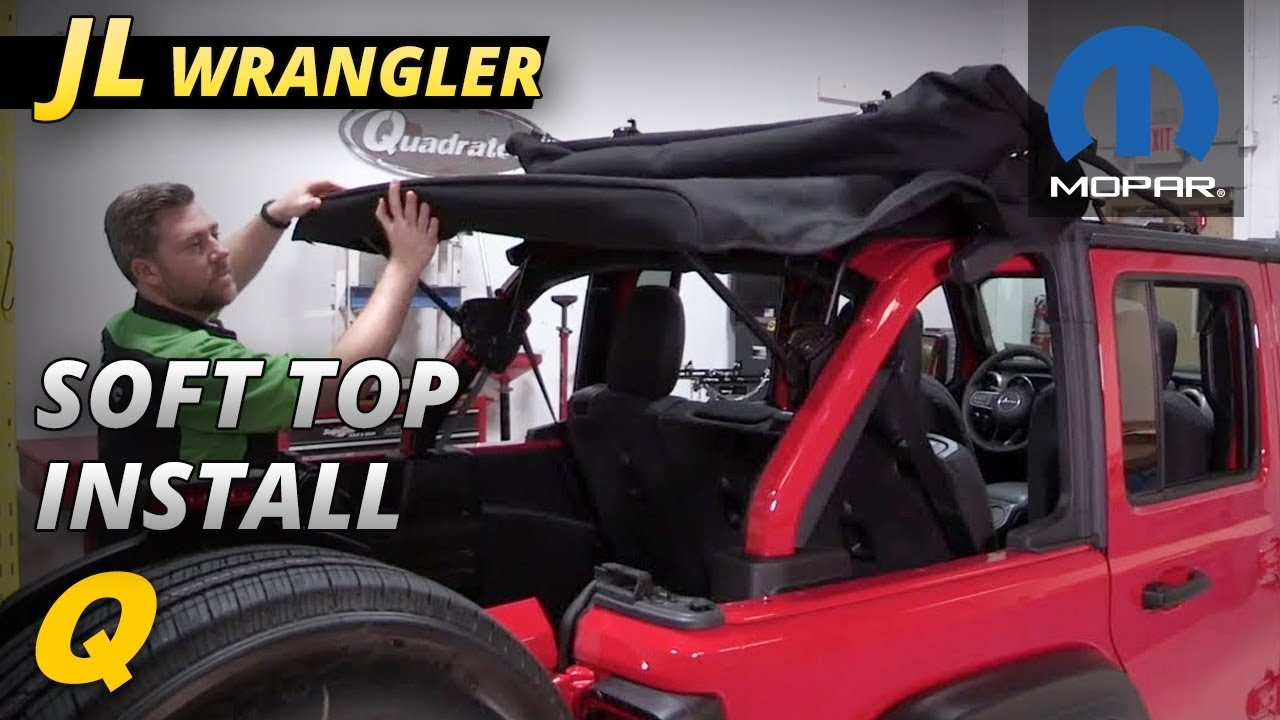
Image Source: i.ytimg.com
How To Install Soft Top On 4 Door Jeep Wrangler
Can you install a soft top on a 4-door Jeep Wrangler yourself? Yes, you absolutely can! While it might seem daunting, the Jeep Wrangler soft top installation is a manageable DIY project for most owners. This comprehensive guide will walk you through the entire process, ensuring a snug and leak-free fit for your beloved Jeep. We’ll cover everything from preparing your Jeep to securing the final seal, making the 4 door JK soft top install as straightforward as possible. While this guide focuses on newer models, we’ll also touch upon fitting older generations, like the Jeep YJ soft top fitting and Jeep TJ soft top replacement, to provide broader context.
Preparing Your Jeep Wrangler
Before diving into the actual Jeep JL soft top instructions or any other model, proper preparation is key to a smooth installation.
Tools and Materials You’ll Need
Gathering the right tools beforehand will save you time and frustration. Here’s a list of essentials:
- New Soft Top Kit: Ensure it’s the correct model for your 4-door Jeep Wrangler (JK, JL, etc.).
- Socket Wrench Set: With various socket sizes.
- Phillips Head Screwdriver: For some of the interior trim pieces.
- Flat Head Screwdriver: For prying certain clips.
- Trim Removal Tools: Plastic tools are best to avoid scratching your Jeep’s interior.
- Drill with Appropriate Bits: For any pre-drilled holes if your kit requires it (less common with modern kits).
- Silicone Lubricant or Spray: To help glide seals and fabric.
- Bucket of Water with Mild Soap: For cleaning.
- Clean Microfiber Cloths: For wiping down surfaces.
- A Helper: An extra set of hands is invaluable for maneuvering the fabric.
- Work Gloves: To protect your hands.
- Sunscreen and Hat: If working outdoors.
Cleaning Your Jeep
A clean workspace makes the job easier and ensures good adhesion for seals.
Interior Cleaning
- Remove Existing Top (if applicable): If you’re replacing an old soft top or removing a hardtop, carefully store all hardware.
- Vacuum Thoroughly: Remove dirt, dust, and debris from the floor, seats, and all interior crevices.
- Wipe Down Interior Surfaces: Use a mild interior cleaner and microfiber cloths to wipe down door surrounds, window frames, and the roll bar. Pay attention to areas where the new top will seal.
Exterior Cleaning
- Wash the Jeep: Give your Wrangler a good wash to remove any mud, grime, or salt.
- Clean Door Surrounds and Windshield Frame: These are critical areas for the soft top seals Wrangler. Use a cleaner specifically designed for automotive paint and glass. Ensure these areas are completely dry before proceeding.
Installing the Soft Top Frame
The Jeep Wrangler soft top frame is the foundation of your new convertible top. Getting this right is crucial for proper fit and function.
Understanding the Frame Components
Most soft top kits come with several metal or composite pieces that assemble to form the frame. These typically include:
- Front Bows: These attach near the windshield.
- Side Bows: These help support the sides of the top.
- Rear Bow: Sometimes a single piece or integrated into the side bows.
- Support Rods: These often go into pockets in the fabric to provide structure.
Assembling the Frame
The specific assembly steps will vary slightly depending on your soft top manufacturer and Jeep model (e.g., Jeep TJ soft top replacement will have slightly different frame dynamics than a 4 door JK soft top install). Always refer to your specific kit’s instructions. However, the general process is as follows:
- Connect Major Bows: Many frames snap or bolt together. Look for designated connection points.
- Insert Support Rods: These often slide into pre-made channels or pockets within the fabric of the top itself. They provide tension and shape.
- Attach to Jeep: The frame usually connects to the Jeep’s roll cage or specific mounting points. This often involves securing bows to brackets or using clips.
Common Frame Installation Challenges and Tips
- Bent or Misaligned Parts: If a part doesn’t seem to fit, don’t force it. Double-check that you have the correct part and that it’s oriented correctly.
- Loose Connections: Ensure all bolts are tightened securely, but avoid over-tightening, which could strip threads or damage the frame.
- Orientation: The frame is designed to fit in a specific way. If it looks wrong, it probably is. Re-read the instructions and look for orientation markers.
Attaching the Soft Top Fabric
This is where your helper becomes indispensable. The fabric needs to be stretched and secured properly to avoid wrinkles and ensure water tightness.
Unfolding and Orienting the Fabric
- Unfold Carefully: Spread the fabric out, paying attention to which side is the interior and exterior.
- Identify Key Attachment Points: Locate the Velcro straps, sailcloth channels, and zippers that will secure the fabric to the Jeep.
Securing the Top to the Jeep
The sequence of attachment is important for creating the correct tension.
Step-by-Step Attachment Process
- Front Windshield Header: This is often the first point of contact. Most soft tops have a channel that slides over the top of the windshield frame, or they may clip into place. Ensure it’s seated evenly across the entire width of the windshield.
- Door Surrounds: As you work your way back, the fabric will need to attach to the door surrounds. This usually involves tucking the fabric into channels or securing it with Velcro straps.
- Side and Rear Panels: If your top has separate side windows or a rear window, these often zip or Velcro into place onto the main top fabric and the body of the Jeep.
- Tailgate Bar: For the rear of the top, you’ll typically have a tailgate bar that slides into a pocket in the fabric. This bar then clips into receivers mounted on the Jeep’s tailgate or body.
- Bungee Cords or Straps: Many soft tops use integrated bungee cords or straps that hook into specific points on the Jeep’s body or roll cage. These provide the final tension to the fabric.
Working with Fabric Tension
- Start in the Center: When securing the fabric, begin in the center of each section and work your way outwards. This helps to distribute tension evenly.
- Allow for Warmth: Fabric is more pliable and easier to stretch when it’s warm. If it’s a cool day, leaving the Jeep in the sun for a bit or using a hairdryer (on a low setting, from a distance) can help.
- Don’t Force Zippers: Zippers can be finicky. Ensure the fabric is aligned correctly before zipping. If it’s sticking, check for fabric caught in the teeth.
Installing the Windows
Windows are a critical part of the convertible top installation Jeep. They provide visibility and contribute to the overall seal.
Side and Rear Windows
- Zipper Installation: Most side and rear windows zip into place. Ensure the zippers are clean and free of debris. Slowly and carefully zip them up, working from one end to the other.
- Velcro Straps: Some windows also secure with Velcro straps along the top or sides. Make sure these are pulled taut.
- Tuck-in Channels: Certain window designs require the edges to be tucked into specific channels along the Jeep’s body or the soft top frame.
Sealing the Windows
Properly sealed windows are essential for keeping water out and preventing wind noise.
- Ensure Cleanliness: Make sure the channels where the windows tuck in are clean.
- Gentle Pressure: Apply firm but gentle pressure to seat the windows into their channels.
- Check for Gaps: Once installed, inspect all window edges for any visible gaps.
Securing the Soft Top Latches
The soft top latches Jeep are the primary mechanism for securing the top to the windshield frame and ensuring a tight seal.
Locating the Latches
- These are typically found at the front corners of the soft top, near the windshield pillars.
Engaging the Latches
- Align the Latch: With the front of the top seated, bring the latch mechanism into alignment with its receiving point on the Jeep.
- Operate the Lever: Most latches have a lever that you flip or turn to engage. You may feel some resistance, which is normal as it pulls the fabric taut.
- Listen for a Click: Some latches will click when properly secured.
Adjusting the Latches
If your latches feel too loose or too tight, most have an adjustment mechanism. Consult your specific kit’s instructions for details on how to adjust them. Proper adjustment is key for a good seal and preventing leaks.
Final Checks and Adjustments
Once everything is installed, take a step back and perform a thorough inspection.
Checking for Fit and Tightness
- Walk Around: Inspect the entire soft top. Look for any sagging areas, loose straps, or misaligned panels.
- Door Alignment: Open and close your Jeep doors. The soft top should not interfere with their operation. If it does, you may need to adjust the frame or fabric tension.
Testing the Seals
- Water Test: The ultimate test is a water test. Thoroughly spray your Jeep with a hose, paying attention to all seams, windows, and the windshield header. Check the interior for any leaks.
- Addressing Leaks: If you find leaks, identify the source. It could be a poorly seated seal, a loose latch, or a faulty seam. You might need to adjust the tension, re-seat a window, or apply a sealant to a specific area.
Jeep Soft Top Maintenance
To ensure your soft top lasts for years and continues to perform well, regular Jeep soft top maintenance is essential.
Cleaning the Fabric
- Regular Washing: Wash the fabric regularly with mild soap and water. Avoid abrasive cleaners or brushes that can damage the material.
- Spot Cleaning: For stubborn stains, use a dedicated fabric cleaner designed for automotive soft tops. Test it on an inconspicuous area first.
- Mold and Mildew Prevention: Ensure the top is completely dry before lowering or storing it to prevent mold and mildew growth.
Protecting the Fabric
- UV Protectants: Apply a UV protectant spray specifically made for soft tops. This helps prevent fading and degradation from sun exposure.
- Water Repellent Treatments: Periodically reapply a water-repellent treatment to maintain its water-shedding capabilities.
Window Care
- Window Cleaner: Use only specialized vinyl window cleaners. Avoid ammonia-based cleaners or general glass cleaners, as they can cloud or damage the vinyl.
- Soft Cloths: Always use soft microfiber cloths for cleaning windows to prevent scratches.
Storing the Soft Top
- Folding: If you need to remove the soft top for extended periods, fold it carefully along its natural creases to avoid creating permanent wrinkles.
- Storage Location: Store the folded top in a cool, dry place, away from direct sunlight and extreme temperatures.
Comparison of Soft Top Types
While this guide focuses on installation, it’s worth noting that different types of soft tops exist, each with its own nuances in installation and maintenance.
| Soft Top Type | Installation Complexity | Durability | Weather Resistance | Ease of Operation |
|---|---|---|---|---|
| Standard | Moderate | Good | Good | Moderate |
| Trektop | Moderate | Very Good | Very Good | Good |
| Bimini Top | Low | Fair | Fair | Very Good |
| Sailcloth | Moderate | Excellent | Excellent | Good |
Note: This is a general comparison. Specific product quality can vary by manufacturer.
Frequently Asked Questions (FAQ)
Q1: How long does it take to install a soft top on a 4-door Jeep Wrangler?
A: For a first-time installer, it can take anywhere from 2 to 4 hours. With practice, experienced individuals can often complete the installation in 1 to 2 hours.
Q2: Do I need to remove my old soft top before installing a new one?
A: Yes, if you are replacing an existing soft top, you will need to remove the old one completely. This involves detaching latches, unzipping windows, and removing any frame components.
Q3: Can I install a soft top in cold weather?
A: It is not recommended to install a soft top in very cold weather. The fabric and vinyl windows become stiff and less pliable, making them difficult to stretch and potentially leading to damage. Aim for temperatures above 60°F (15°C).
Q4: My new soft top doesn’t fit perfectly on the first try. What should I do?
A: This is common. Soft tops often require some adjustment and stretching. Ensure all latches are properly engaged and that the fabric is seated correctly in all channels. Leaving the Jeep in the sun for a few hours can make the fabric more pliable and easier to stretch into place. Consult your installation manual for specific adjustment points.
Q5: Are there specific differences in installing a soft top on a Jeep JK versus a Jeep JL?
A: While the basic principles of Jeep Wrangler soft top installation are similar, there are subtle differences in the mounting points, frame design, and latch mechanisms between generations like the JK and JL. Always refer to the installation instructions specific to your Jeep model and the soft top kit you purchased. For example, Jeep JL soft top instructions will detail specific header bar and rear bow attachments that differ from 4 door JK soft top install procedures.
Q6: What if I encounter issues fitting older Jeep models like a Jeep YJ or Jeep TJ?
A: The Jeep YJ soft top fitting and Jeep TJ soft top replacement processes are similar in principle but may involve different frame designs and attachment methods. Older models might have more basic clamping or webbing systems compared to the newer channel and latch systems. Always source instructions tailored to the specific vintage of your Jeep.
Q7: How do I ensure the soft top seals are effective?
A: Proper installation is key. Ensure the soft top seals Wrangler make firm contact with the body of the Jeep all around. Keep the seals clean and apply a silicone lubricant periodically to maintain their flexibility and sealing properties. Any gaps or loose areas in the fabric tension can compromise the seal.
By following these detailed steps, you’ll be well on your way to enjoying the open-air freedom a soft top provides for your 4-door Jeep Wrangler. Happy trails!