
So, how reliable is a Jeep? Generally, Jeep vehicles tend to fall in the middle to lower end of reliability rankings when compared to many other automotive brands. While Jeeps are celebrated for their exceptional off-road capability and rugged design, this often comes at the cost of lower long-term reliability and higher maintenance costs for some models.
Jeep, a brand synonymous with adventure and the iconic Wrangler, holds a special place in the hearts of many drivers. Known for its robust build and unparalleled off-road prowess, Jeep has cultivated a dedicated following. However, when considering ownership, a crucial question arises: how reliable are Jeep vehicles? This in-depth exploration delves into the various facets of Jeep ownership, examining its durability, common issues, maintenance expenses, and overall value.
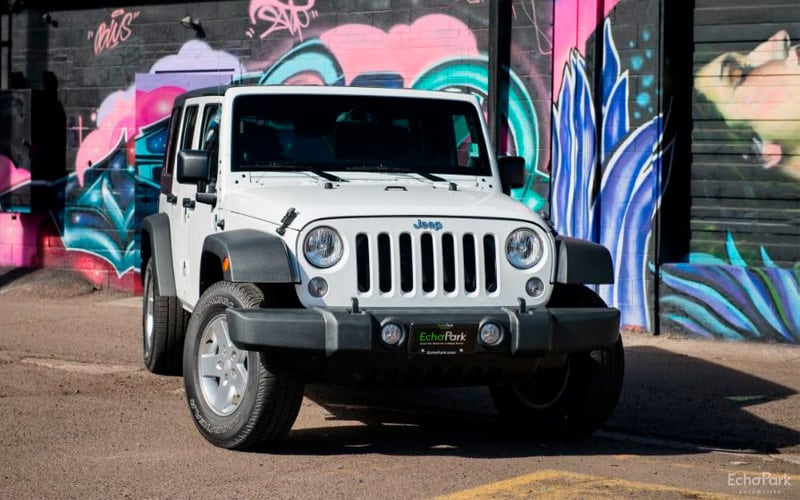
Image Source: www.echopark.com
Decoding Jeep Durability and Longevity
Jeep durability is a topic often debated among enthusiasts and critics alike. On one hand, Jeeps are built with tough materials and designed to withstand demanding conditions, particularly off-road. This robust construction contributes to their perceived Jeep durability. Many Jeep owners report their vehicles lasting for many years and miles, especially when properly maintained. The older, simpler models, like the TJ Wrangler, are often praised for their mechanical simplicity, which can translate to easier repairs and greater longevity.
However, newer models, particularly those with more advanced technology and complex powertrains, can sometimes present more challenges. Factors influencing Jeep lifespan can include:
- Driving Habits: How the Jeep is used plays a significant role. Off-roading, while a Jeep’s forte, can put more stress on components than city driving.
- Maintenance: Regular and proper maintenance is paramount. Neglecting oil changes, fluid checks, and timely repairs can significantly shorten a Jeep’s lifespan.
- Model Specifics: Reliability can vary significantly between different Jeep models and even different generations of the same model.
- Environmental Factors: Exposure to harsh climates, such as extreme heat, cold, or salty roads, can impact durability over time.
Interpreting Jeep Owner Reviews
Customer satisfaction and long-term ownership experiences are invaluable for assessing a vehicle’s reliability. Jeep owner reviews often paint a mixed picture. Many Jeep owners rave about the brand’s distinctive character, go-anywhere attitude, and the sense of community that surrounds Jeep ownership. They appreciate the freedom and adventure that their Jeeps provide.
However, it’s also common to find Jeep owner reviews that mention frequent visits to the mechanic and unexpected repair bills. These reviews often highlight specific Jeep common problems that owners encounter. When sifting through Jeep owner reviews, it’s important to look for patterns and common themes rather than isolated incidents. Websites that aggregate owner feedback, such as Consumer Reports, J.D. Power, and various Jeep enthusiast forums, can offer a wealth of information.
Fathoming Jeep Maintenance Costs
One of the primary concerns for any car buyer is the ongoing cost of ownership, and this is particularly true for Jeep maintenance costs. Compared to some mainstream brands, Jeeps, especially those with more specialized components for off-road use, can sometimes incur higher maintenance and repair expenses.
Several factors contribute to Jeep maintenance costs:
- Specialized Parts: Off-road suspensions, heavy-duty axles, and specialized drivetrain components can be more expensive to repair or replace than standard automotive parts.
- Aftermarket Modifications: Many Jeep owners customize their vehicles with aftermarket parts for enhanced off-road performance. While this can improve capability, it can also lead to more complex troubleshooting and potentially higher repair costs if not installed correctly.
- Frequency of Repairs: While not all Jeeps are prone to constant issues, some models have a reputation for needing more frequent repairs than their competitors, driving up overall maintenance costs.
- Labor Costs: Depending on the complexity of the repair and the shop performing the work, labor charges can also add to the overall expense.
Examining Average Repair Costs
While pinpointing exact average repair costs is challenging due to the wide range of models, years, and potential issues, general trends suggest that Jeeps might cost more to maintain annually than some other SUVs. RepairPal, a reputable source for automotive repair data, often provides insights into average repair costs for specific Jeep models. For instance, a Jeep Wrangler’s average annual repair cost might be higher than that of a Toyota RAV4, reflecting the difference in their design philosophies and intended uses.
Deciphering Jeep Common Problems
Like all automotive brands, Jeep has certain models and generations that have been associated with specific Jeep common problems. Being aware of these potential issues can help prospective buyers make informed decisions and current owners prepare for possible repairs.
Some frequently reported Jeep common problems across various models include:
- Wrangler (JK Generation, 2007-2018):
- Death Wobble: A violent shaking of the steering wheel, often occurring after hitting a bump at speed, particularly with lifted suspensions. This is usually related to worn steering and suspension components.
- Oil Leaks: Leaks from the oil filter housing or valve cover gaskets have been reported.
- Wiper Motor Issues: Some owners have experienced failures of the wiper motor.
- Transmission Problems: While not universal, some automatic transmissions have exhibited issues.
- Grand Cherokee:
- Electrical Gremlins: Various electrical issues, from infotainment system glitches to sensor failures, have been noted in different generations.
- Suspension Component Wear: Especially in models with air suspension, premature wear of components can occur.
- Hemi Engine Oil Consumption: Some older Hemi engines have been known to consume oil.
- Cherokee (KL Generation, 2014-2023):
- Transmission Lag/Shudder: The nine-speed automatic transmission in some Cherokees has been criticized for its refinement and occasional shuddering.
- Water Leaks: Issues with water ingress into the cabin have been reported, particularly around the windshield and sunroof.
- Engine Mounts: Premature wear of engine mounts has been a concern for some owners.
- Renegade/Compass:
- Transmission Issues: Similar to the Cherokee, some Renegades and Compasses have experienced issues with their nine-speed automatic transmissions.
- Software Glitches: Infotainment and other electronic systems can sometimes be prone to glitches.
It’s important to reiterate that not every Jeep will experience these problems, and many owners enjoy trouble-free ownership. However, awareness of these potential Jeep common problems is crucial for maintenance and potential repair planning.
Grasping Jeep Resale Value
Jeep resale value is generally quite strong, especially for popular models like the Wrangler. The enduring appeal of the Wrangler, its iconic status, and its strong demand in both new and used markets contribute to excellent Jeep resale value. This means that when it’s time to sell or trade in your Jeep, you are likely to get a good return on your investment compared to many other vehicles.
Factors that influence Jeep resale value include:
- Model Popularity: The Wrangler consistently holds its value exceptionally well due to its unique capabilities and cult following.
- Condition: A well-maintained Jeep with a good service history will always command a higher resale price.
- Mileage: Lower mileage generally translates to higher resale value.
- Modifications: While some modifications can enhance appeal to certain buyers (e.g., off-road upgrades for a Wrangler), poorly executed or excessive modifications can detract from resale value for mainstream buyers.
- Market Demand: The overall demand for SUVs and off-road capable vehicles in the market also influences Jeep resale value.
The Wrangler’s Remarkable Value Retention
The Jeep Wrangler is a standout performer when it comes to holding its value. Its desirability, coupled with relatively limited competition in its specific niche, allows it to maintain a high Jeep resale value over time. This makes it an attractive option for those who plan to keep their vehicle for several years and are conscious of its long-term financial implications.
Comprehending Jeep Reliability Ratings
Jeep reliability ratings from organizations like Consumer Reports, J.D. Power, and others provide objective data points that can help consumers assess the brand’s overall dependability. Historically, Jeep has often ranked in the lower half of brands for reliability.
- Consumer Reports: This organization bases its ratings on extensive owner surveys, covering predicted reliability, owner satisfaction, and road-test performance. Jeep vehicles often receive average to below-average scores in predicted reliability.
- J.D. Power: J.D. Power measures dependability through their Vehicle Dependability Study (VDS) and Initial Quality Study (IQS). While Jeeps might not consistently score at the very top, some models can perform decently in specific categories.
- RepairPal: This site provides an “Average Annual Repair Cost” metric and ranks brands based on this. Jeep’s ranking here is typically in the middle to lower end.
It’s crucial to look at the ratings for specific models, as reliability can vary significantly within the brand. For instance, a Jeep Wrangler might have different reliability scores than a Jeep Cherokee.
Jeep vs. Competitors: A Reliability Snapshot
When considering Jeep vs. competitors in the SUV and off-road segments, the comparison often highlights Jeep’s trade-offs. Brands like Toyota and Honda are generally recognized for superior long-term reliability and lower ownership costs. However, they typically cannot match Jeep’s extreme off-road capability.
| Brand | General Reliability Perception (Consumer Reports) | Typical Off-Road Capability | Key Strengths | Potential Weaknesses |
|---|---|---|---|---|
| Jeep | Average to Below Average | Excellent | Off-road prowess, iconic design, resale value | Higher maintenance costs, some common issues |
| Toyota | Excellent | Good to Very Good | Reliability, durability, resale value, fuel efficiency | Less adventurous styling, less extreme off-road |
| Honda | Excellent | Good | Reliability, fuel efficiency, comfort, tech | Less rugged appearance, less off-road focused |
| Ford | Average to Below Average | Good | Wide range of vehicles, some capable off-road | Varies by model, potential for more issues |
| Subaru | Very Good | Excellent (All-Wheel Drive) | Standard AWD, safety, reliability | Less powerful engine options for some models |
This table offers a general overview. Specific model comparisons within each brand are always recommended. For example, a Jeep Wrangler Rubicon will perform far better off-road than a Toyota RAV4, but the RAV4 will likely be more reliable and cheaper to maintain in the long run.
Exploring the Jeep Warranty
To provide peace of mind, Jeep offers a standard warranty that covers its vehicles. Understanding the Jeep warranty is essential for owners.
- Basic Limited Warranty: Typically covers the vehicle for 3 years or 36,000 miles, whichever comes first. This covers most defects in materials or workmanship.
- Powertrain Limited Warranty: Generally extends for 5 years or 60,000 miles, whichever comes first. This covers the engine, transmission, and drivetrain components.
The Jeep warranty is competitive with many other manufacturers, but it’s crucial to read the specific terms and conditions. Some extended warranty options are also available for purchase, which can provide additional coverage beyond the factory warranty, especially if you are concerned about potential Jeep maintenance costs.
The Jeep Off-Road Capability: A Defining Factor
It’s impossible to discuss Jeep reliability without acknowledging its defining characteristic: Jeep off-road capability. The legendary capability of models like the Wrangler is a primary reason people choose the brand. Features like:
- Solid Axles: (on many Wranglers) provide excellent articulation and durability off-road.
- Four-Wheel Drive Systems: Robust 4×4 systems with low-range gearing allow for exceptional traction in challenging terrain.
- High Ground Clearance: Essential for navigating obstacles without damaging the undercarriage.
- Robust Suspension Components: Designed to handle the stresses of uneven terrain.
This focus on extreme off-road performance means that Jeep engineers prioritize durability and functionality in these specific areas. However, the trade-off can sometimes be felt in on-road comfort, fuel efficiency, and the complexity of systems that, while excellent off-road, may be more prone to issues than simpler setups found in less specialized vehicles.
Fostering Long-Term Jeep Ownership
For those who embrace the Jeep lifestyle, reliability can be managed and often overcome with the right approach. Here’s how to foster long-term Jeep ownership:
- Adhere to the Maintenance Schedule: This is the single most important factor. Follow the owner’s manual recommendations religiously for oil changes, fluid flushes, and filter replacements.
- Use Quality Parts and Fluids: When repairs or maintenance are needed, opt for genuine Jeep parts or high-quality aftermarket equivalents and recommended fluids.
- Address Issues Promptly: Don’t let minor problems linger. Small issues can escalate into larger, more expensive ones if ignored.
- Learn About Your Specific Model: Research common issues and maintenance tips for your particular Jeep model and year. Online forums and owner groups are invaluable resources.
- Consider an Extended Warranty: If you plan to keep your Jeep for an extended period and are concerned about potential repair costs, an extended warranty can offer financial protection.
- Drive Responsibly: While Jeeps are built for adventure, driving them smoothly on-road, especially after modifications like lifts or larger tires, can help reduce stress on components.
Frequently Asked Questions (FAQ)
Q1: Are Jeeps expensive to maintain?
A1: Jeep maintenance costs can be higher than average for some models, particularly those with specialized off-road components or more complex systems. Regular maintenance is key to managing these costs.
Q2: Which Jeep models are considered the most reliable?
A2: Generally, older, simpler models like the Jeep TJ Wrangler (1997-2006) are often cited for their mechanical simplicity and good reliability when well-maintained. Newer models’ reliability can vary, so researching specific model years is recommended.
Q3: Do Jeeps have a good resale value?
A3: Yes, Jeep vehicles, especially the Wrangler, typically have strong Jeep resale value due to their iconic status and high demand.
Q4: What are the most common problems with Jeep Wranglers?
A4: Common issues reported for certain Wrangler generations include the “death wobble,” oil leaks, and occasional transmission or electrical problems.
Q5: Is it worth buying a Jeep if reliability is a major concern?
A5: If your absolute top priority is bulletproof reliability and low maintenance costs above all else, other brands might be a better fit. However, if you value Jeep’s off-road capability, iconic style, and strong community, and you’re prepared for potentially higher maintenance, a Jeep can still be a rewarding ownership experience.
Q6: How long do Jeeps typically last?
A6: With proper maintenance and care, many Jeeps can last for 200,000 miles or more. However, the frequency and cost of repairs to reach that mileage may be higher than with some other brands.
In conclusion, Jeep ownership offers a unique blend of adventure, capability, and iconic style. While Jeep reliability ratings may not consistently place the brand at the top of every survey, understanding Jeep common problems, being diligent with maintenance, and appreciating the brand’s inherent strengths can lead to a rewarding ownership experience. For many, the freedom and capability a Jeep provides far outweigh the potential for increased maintenance, making it a worthwhile choice for those who answer the call of the wild.